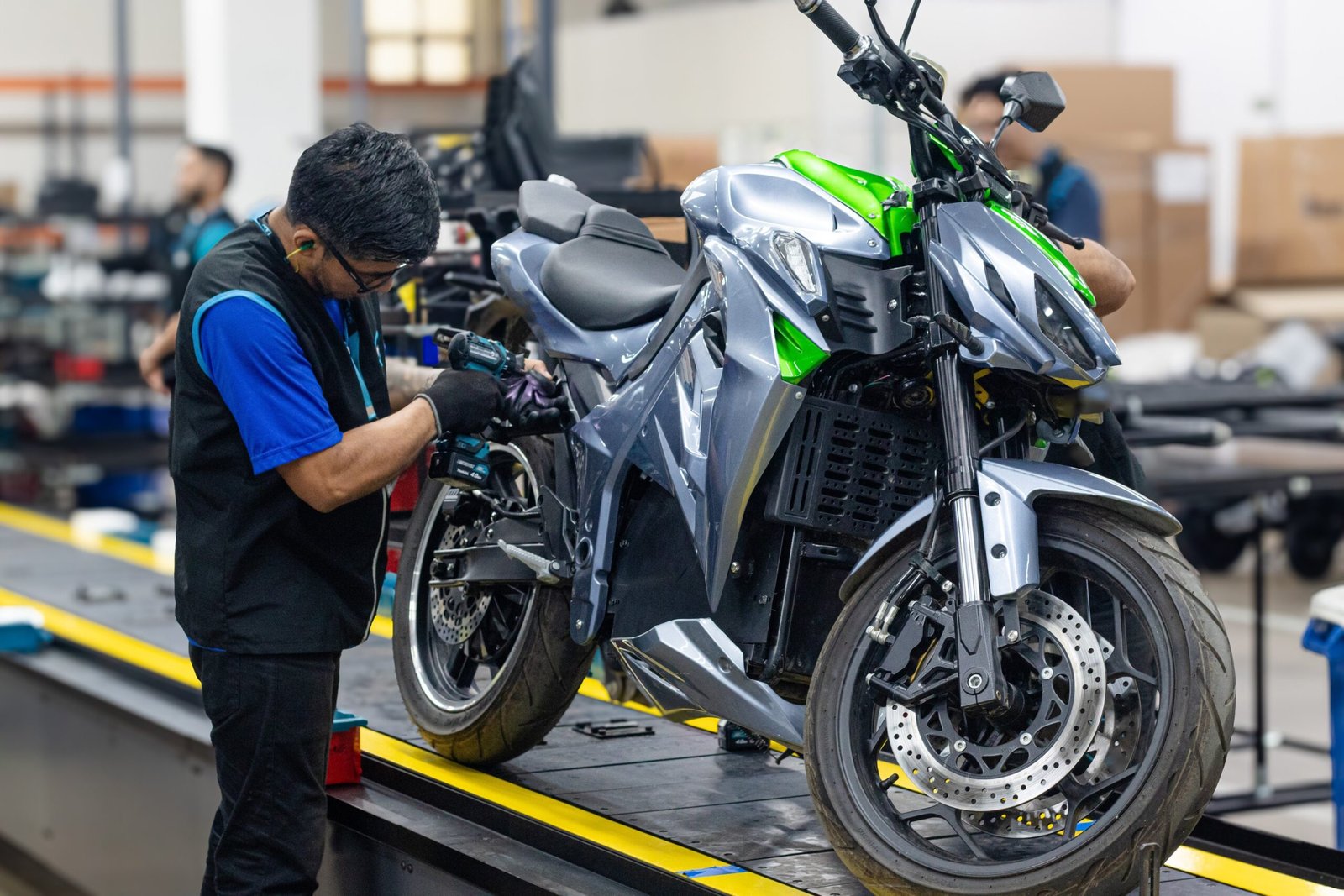
The motorcycle market in Brazil is going through an impressive transformation. In 2023, sales grew 16% over the previous year, according to the National Federation of Motor Vehicle Distribution (Fenabrave). What is driving this boom? The search for more economical means of transport, the need for efficient mobility in big cities and the advance of electric motorcycles.
But there is a strategic factor that few explore in depth: the Manaus Free Trade Zone. This industrial hub, responsible for more than 90% of motorcycle production in the country, offers tax incentives that make manufacturing and distribution far more advantageous for companies in the sector.
If you are looking for a way to enter or expand your presence in the motorcycle market, understanding the current landscape and learning about the benefits of the Free Trade Zone may be the missing edge for your success.
In this article, you will discover:
- Why the motorcycle market is growing in Brazil
- The impact of electric and economical motorcycles on this expansion
- The advantages of the Manaus Free Trade Zone for manufacturers and investors
If you want to understand how to take advantage of this favorable moment, keep reading. Opportunities are accelerating – and this could be your chance to ride along with this growth.
Why Is the Motorcycle Market Booming?
The motorcycle market in Brazil has been growing consistently, and the numbers prove this trend. According to Fenabrave, 1.57 million motorcycles were registered in 2023, an increase of 16% over 2022. This growth is not an isolated phenomenon – it reflects changes in consumer behavior and economic factors that drive the sector.
1. Economical and Efficient Mobility
With rising fuel prices and the high cost of maintaining cars, many people are choosing motorcycles as a more affordable alternative. A motorcycle uses less fuel, needs less parking space and has lower maintenance costs compared to cars.
2. Chaotic Traffic in Big Cities
The need for agile solutions to deal with congestion has led more people to choose motorcycles as their daily means of transport. In cities such as São Paulo and Rio de Janeiro, where time spent in traffic can be a problem, motorcycles offer an efficient and practical solution.
3. The Rise of Electric and Sustainable Motorcycles
Concern for the environment and the rise in gasoline prices are also driving the adoption of electric motorcycles and low-consumption models. The Brazilian market is still adapting to this global trend, but manufacturers are already investing heavily to offer sustainable options. According to a survey by the Brazilian Electric Vehicle Association (ABVE), electric motorcycle sales grew 29% in 2023, showing a market in full expansion.
Economical and Electric Motorcycles Are on the Rise!
Growing concern for the environment and high fuel costs have led consumers to look for more sustainable and affordable alternatives. In Brazil, this trend is reflected in rising sales of electric motorcycles and low-consumption models, further boosting the market.
1. The Impact of Fuel Prices
The price of gasoline in Brazil has undergone constant adjustments, making the cost of fueling a decisive factor in consumers’ choices. According to data from the National Agency of Petroleum, Natural Gas and Biofuels (ANP), the average price of gasoline rose more than 40% over the last three years. In this scenario, highly energy-efficient motorcycles and electric models emerge as viable alternatives to reduce day-to-day expenses.
2. The Rise of Electric Motorcycles
The electrification of the automotive sector is not limited to cars. Electric motorcycles are gaining ground, especially among delivery app workers and companies seeking more sustainable fleets. According to the Brazilian Electric Vehicle Association (ABVE), Brazil recorded 29% growth in electric motorcycle sales in 2023, showing that interest in this technology is increasing rapidly.
3. Incentives and Tax Reductions for Electric Motorcycles
Another factor favoring the expansion of this segment is the tax incentives offered for electric vehicles. In some Brazilian cities, electric motorcycles already enjoy IPVA (annual vehicle tax) exemption and reduced import taxes, making adoption easier for consumers and companies.
Manaus Free Trade Zone: The Heart of Motorcycle Production in Brazil
The Manaus Free Trade Zone (ZFM) is the country’s largest motorcycle production hub, responsible for more than 90% of national manufacturing. What makes this region so strategic? Attractive tax incentives, such as IPI exemption, reduced federal taxes and benefits for importing parts and inputs.
These advantages allow manufacturers to reduce costs and invest more in innovation and technology. Major brands such as Honda and Yamaha have already consolidated their operations in the ZFM, further strengthening this industrial ecosystem.
Opportunity for Manufacturers and Investors
With motorcycle demand on the rise and the growth of electric and economical motorcycles, investing in production within the Manaus Free Trade Zone has never been more advantageous. Whether for business expansion or forming strategic partnerships, this is the ideal time to enter this promising market.