- An OEM-model motorcycle factory takes on the manufacturing, tax, and logistics structure so the brand can enter Brazil without building its own plant.
- DBS has hands-on mastery of the PPB approved by SUFRAMA and operates the Radar exemption with the Federal Revenue Service for brands that outsource production.
- The brand’s identity stays intact in the final product of an OEM-model motorcycle factory, even when assembly happens within a partner operation.
OEM-model motorcycle factory is the alternative many brands turn to once they realize the size of the investment needed to build their own plant in Brazil. Between licenses, tax structure, and specialized staff, going it alone tends to be slower and more expensive than it first appears.
In this content you’ll understand how the OEM and CKD assembly model works, the role of the Manaus Free Trade Zone in this operation, and what to consider before choosing an industrial partner.
Understanding these points avoids rushed decisions and helps preserve the brand’s control when choosing an OEM-model motorcycle factory to enter the Brazilian market.
Topics We Cover:
What is an OEM-model motorcycle factory and how does it work in Brazil?
An OEM-model motorcycle factory is an industrial structure that produces motorcycles for third parties, respecting the brand and specification defined by the client. The contracting company delivers the project and the factory takes on engineering, importing inputs, and final assembly. The result reaches the market carrying the identity of the contracting brand, not the factory that carried out production.
This model exists because building a manufacturing operation from scratch in Brazil involves costs and timelines that few brands can absorb right at the start. An OEM-model motorcycle factory removes this barrier by offering already-certified structure, trained staff, and validated processes, without the brand having to reinvent every step. This type of OEM-model motorcycle factory also shortens the time between the decision to enter and the start of production.
In practice, this means the brand focuses on design, positioning, and distribution, while the industrial operation is handled by the partner. A common example is electric brands that arrive in Brazil with the product already developed and look for an OEM-model motorcycle factory to industrialize it and put it into circulation.
Before signing a contract, the brand usually maps out three central stages: product homologation with the relevant agencies, defining the minimum production volume, and aligning the timeline between importing inputs and the start of assembly. This mapping avoids surprises partway through the process and helps compare proposals from different industrial partners more objectively. The sooner these points are clear, the lower the risk of rework during negotiation.
OEM and CKD: how the two concepts work within the same operation
OEM and CKD aren’t two competing models the brand chooses between. They’re different concepts that are part of the same process, and understanding this relationship avoids poorly scoped contracts.
- OEM (Original Equipment Manufacturer): this is the operating model. The industrial partner takes on full manufacturing under the contracting brand’s specification, with its own engineering and production structure.
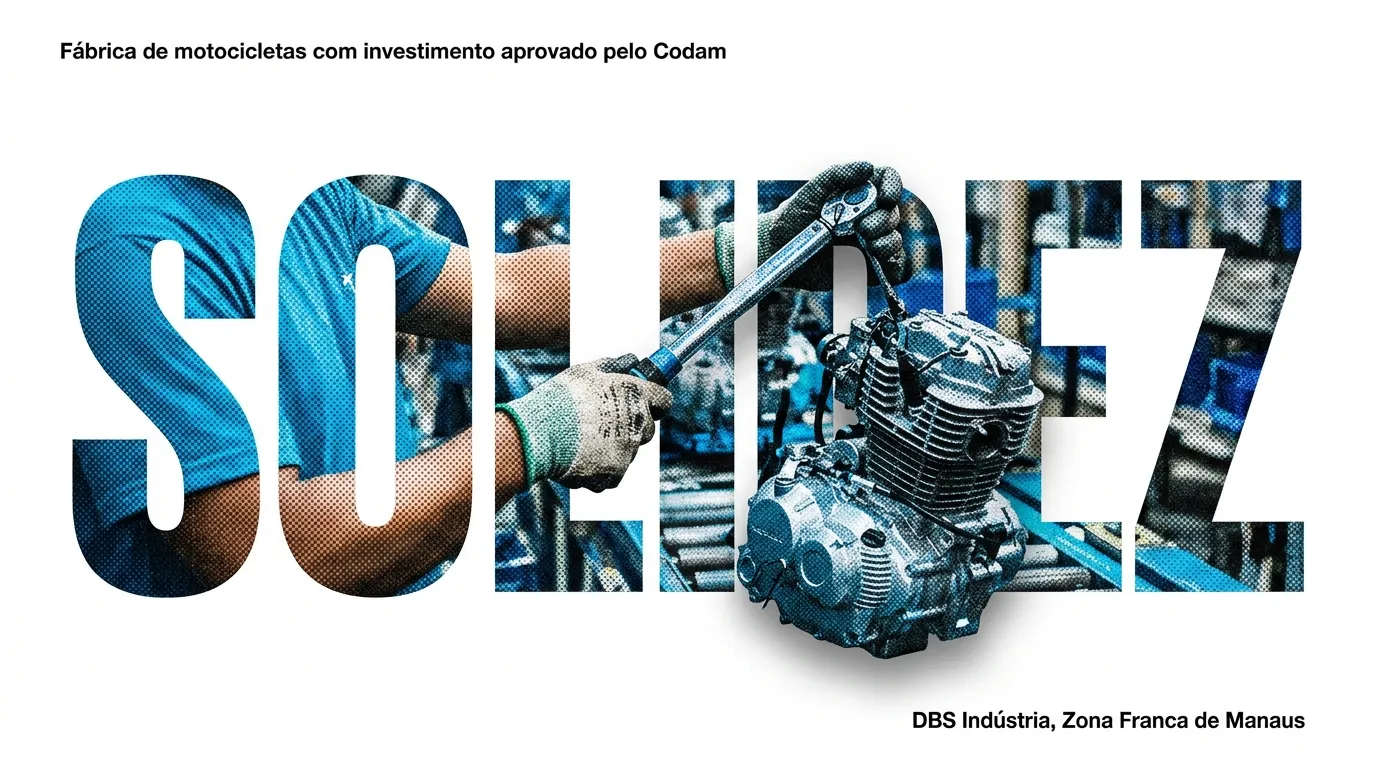
- CKD (Completely Knocked Down): this is the import and assembly mechanism used within the OEM model. The vehicle arrives disassembled into components and is assembled in Brazil, following the PPB approved by SUFRAMA, meeting the operation’s requirements and the Manaus Free Trade Zone’s tax benefits.
- In every case, the final product keeps the brand, model, and version defined by the client, never the brand of the factory responsible for assembly.
Every project carried out under the OEM model can use CKD as part of the operation, whenever needed to meet applicable regulatory requirements and maintain the Manaus Free Trade Zone’s tax classification. The brand doesn’t choose between one and the other: it contracts the full OEM structure, and CKD comes in as part of how the inputs arrive and are assembled within that structure.
When negotiating the contract, it’s worth detailing in writing who’s responsible for each stage: technical specification, importing inputs, quality control, and delivery timeline. Understanding that CKD is part of the OEM process, not an alternative modality, helps the brand correctly size the contract’s scope and avoids disagreements over responsibility when something doesn’t go as planned.
OEM-model motorcycle factory and the operation in the Manaus Free Trade Zone
The Manaus Free Trade Zone concentrates much of Brazil’s motorcycle production by offering specific tax benefits for the sector, applied through the PPB approved by SUFRAMA. An OEM-model motorcycle factory installed in the hub operates within this regulatory structure, covering electric vehicles, combustion motorcycles, electromechanical toys, and sporting goods, under the NCMs classified in this policy. If you’re evaluating an OEM-model motorcycle factory for your brand, this tax classification is the first point to confirm with the industrial partner.
One of the points less known to brands evaluating entering Brazil is the requirement for a Radar registration with the Federal Revenue Service to import inputs. When the OEM-model motorcycle factory carries out the import in its own name and turns the inputs into finished product, the operation is characterized as industrialization, not as import on a fee-for-service basis, which exempts the client from keeping an active Radar registration.
This regulatory navigation by an OEM-model motorcycle factory explains why trying to reproduce a manufacturing structure in the Free Trade Zone on your own tends to generate delays. Between PPB, SUFRAMA, and customs requirements, every poorly planned step jeopardizes the entire schedule, which is why the partner’s practical experience counts as much as the physical structure itself.
Brands that try to work through this process without specialized support usually underestimate the time needed for authorization with SUFRAMA and the Federal Revenue Service. A partner with a proven track record in the Free Trade Zone has already tested these flows internally, which reduces the risk of delay right from the first input imports.
Myths and truths about building motorcycles in Brazil without your own plant
Some myths still lead brands to delay entering the Brazilian market or to plan bigger investments than necessary. Much of this comes from comparing it to other industrial sectors, which don’t have the same tax arrangement as the Manaus Free Trade Zone.
- Myth: you need your own manufacturing structure to produce in Brazil. Reality: the industrial partner takes on engineering, importing, and assembly, without requiring manufacturing CAPEX from the contracting brand.
- Myth: the Free Trade Zone’s tax benefit is limited to electronics. Reality: the policy covers electric vehicles, combustion motorcycles, and other products classified under the two-wheeler sector’s NCMs.
- Myth: the final product carries the brand of the factory responsible for assembly. Reality: the brand, model, and version are defined by the client, and only the manufacturer appears as technically responsible on the vehicle’s document.
- Myth: without its own Radar registration, it’s not possible to import inputs for production. Reality: when the partner carries out the import in its own name, the operation is characterized as industrialization, which exempts the client’s Radar registration.
- Myth: the factory responsible for assembly also handles final distribution. Reality: the client receives the complete batch at its own distribution center and takes over commercialization in the domestic market.
Debunking these myths helps the brand correctly size the entry investment, instead of overestimating the process’s complexity or underestimating the regulatory requirements involved.
OEM-model motorcycle factory: what to learn from more complex projects
Moto Morini, an international brand of premium, high-displacement motorcycles, decided to industrialize part of its line in Brazil through an OEM-model motorcycle factory. The project, more complex than assembling an entry-level electric model, required rigorous quality control at every stage of production. This kind of contract usually happens when the brand has already validated the model in other markets and is just looking to replicate the result in Brazil.
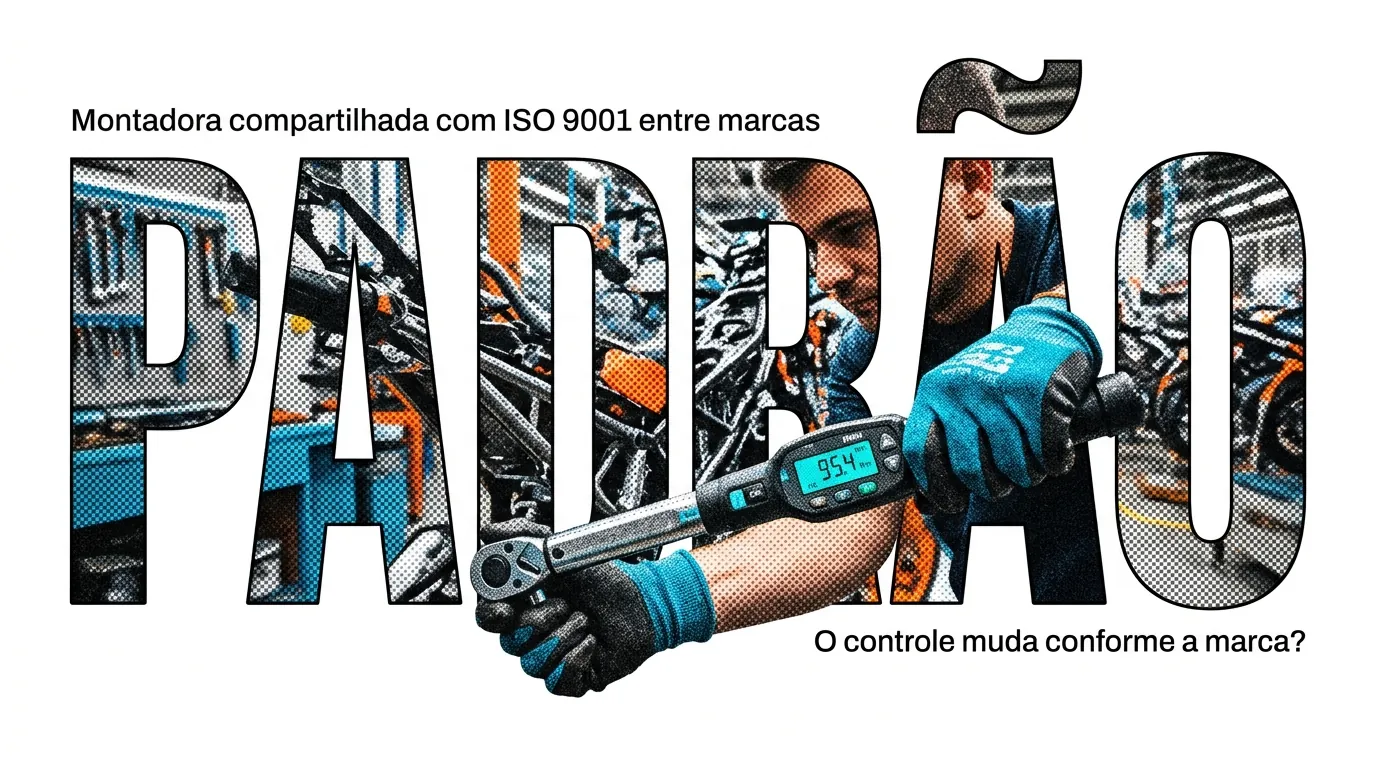
This kind of operation shows that a mature OEM-model motorcycle factory needs to sustain quality for both simple electric vehicles and higher-displacement, more technically complex motorcycles. Mechanisms like torque traceability, static and dynamic inspection, a dynamometer, and a battery lab work as auditable control, not just paper certification.
For the brand, this level of industrial maturity in an OEM-model motorcycle factory means the partner can keep pace with the portfolio’s evolution, from the simplest entry model to higher-value-added products, without needing to switch industrial operations with every new project.
The same reasoning applies to brands evaluating just a simple electric model at the start of their operation. Checking whether the partner has already handled more technically demanding projects helps predict whether quality will hold up as the portfolio grows.
Asking for references from previous projects, including the most complex ones the partner has carried out, tends to reveal more about the operation’s real capacity than just visiting the plant. This kind of check avoids surprises when the brand decides to expand its portfolio beyond the initial model.
How to structure your brand’s entry into the Brazilian market
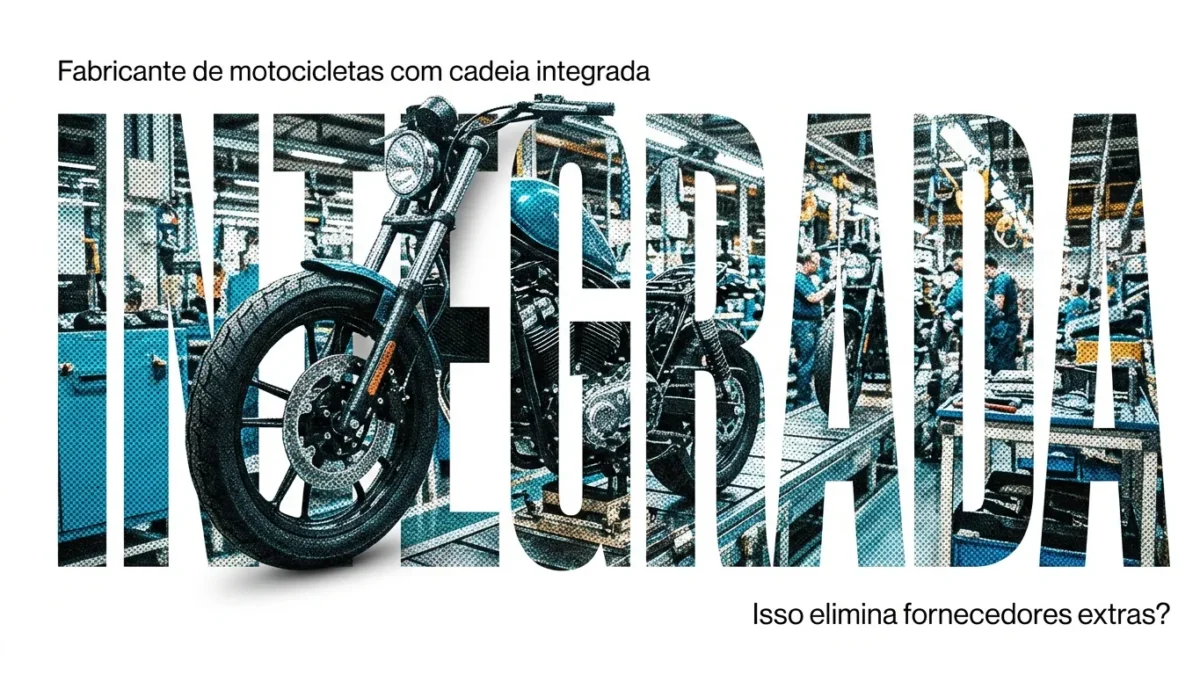
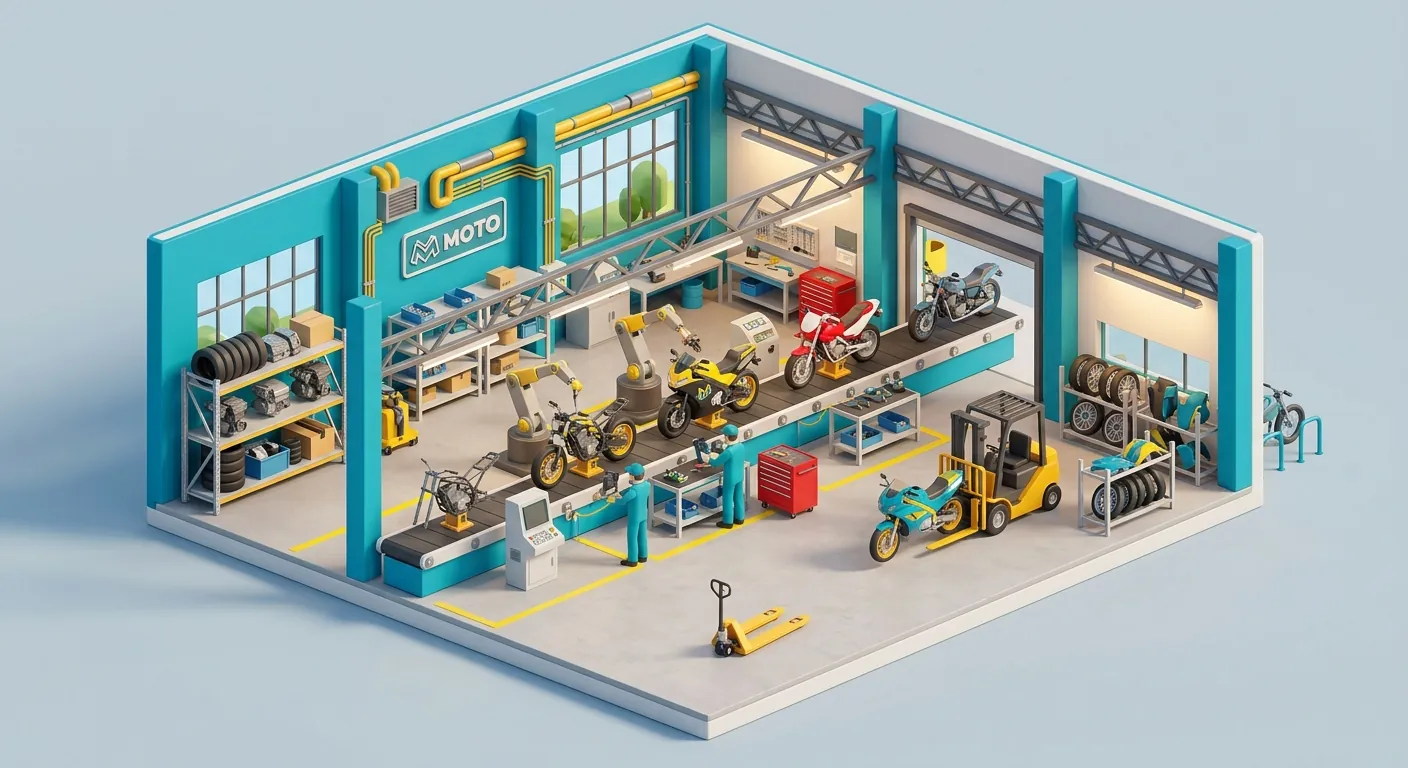
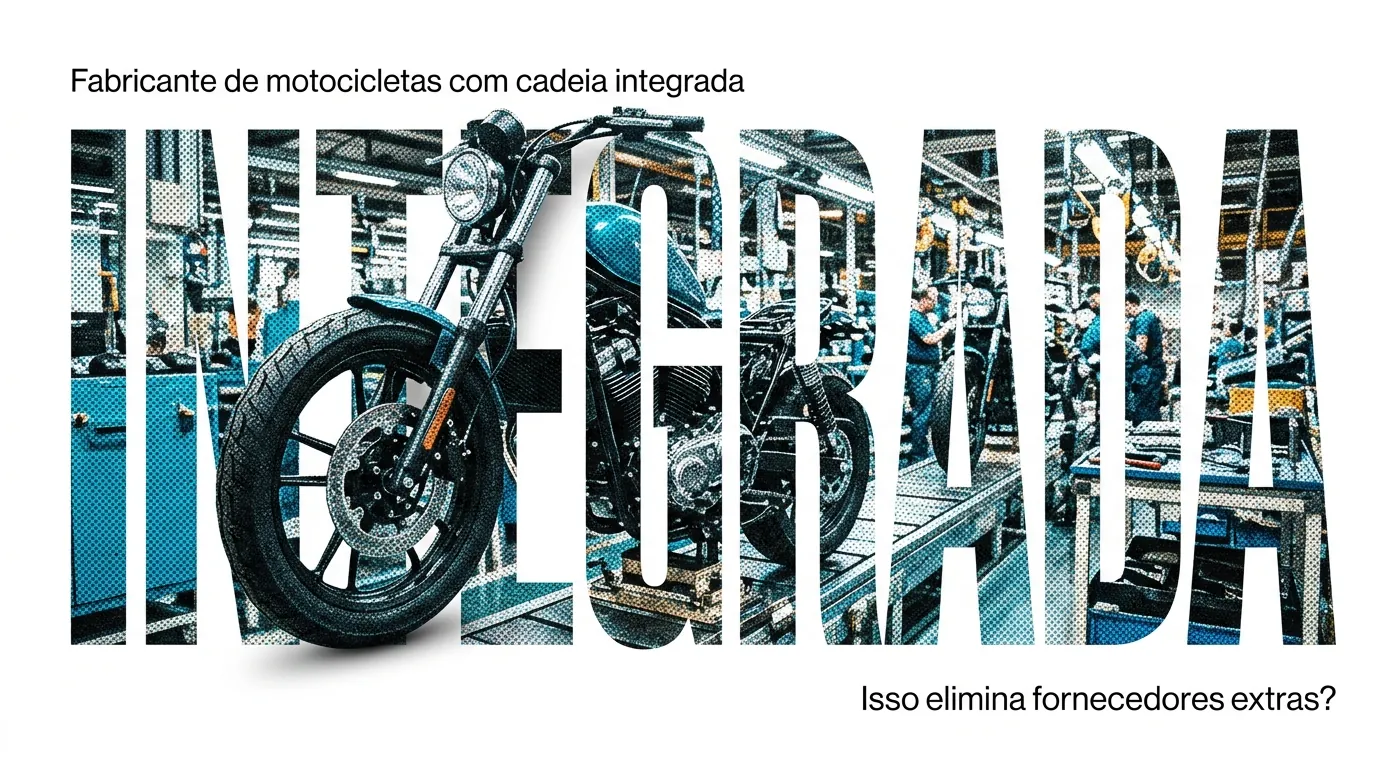
DBS integrates engineering, supply, COMEX, manufacturing, quality, and logistics into a single ISO 9001-certified operation, specifically structured for brands that want to produce motorcycles in Brazil with their own identity. The operation covers everything from product structuring and materials planning to importing inputs, final assembly, and delivery to the client’s distribution center. More than 12 brands already produce in the country using this structure, consolidated after more than 20 years in the two-wheeler mobility sector.
Installed capacity of up to 80,000 units per year and recognition as Brazil’s largest electric motorcycle manufacturer, according to FENABRAVE, reinforce the maturity of this structure. These numbers help the brand assess whether the partner has enough scale to keep pace with the project’s growth over time.
Learn more about the integrated operating model at How It Works.
Does your brand already have the product defined, but still lacks a structured path to industrialize it in Brazil without taking on the manufacturing and regulatory complexity alone? Talk to our team on WhatsApp and understand how to structure the operation. More than two decades of experience integrating engineering, COMEX, and manufacturing is what sets this partner apart from a generic factory.