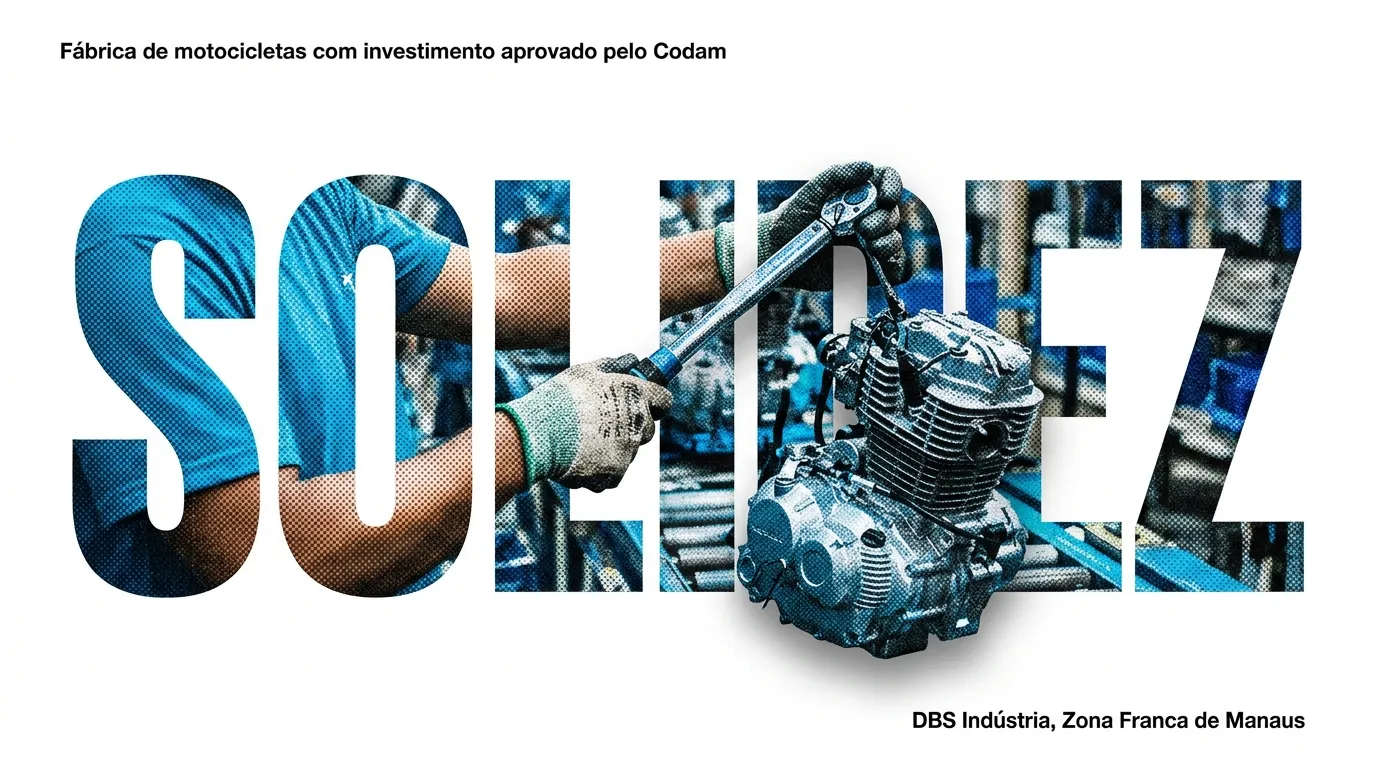
- A motorcycle factory with Codam-approved investment is one of the most objective indicators of industrial solidity in the Manaus Free Trade Zone.
- DBS had new investments between R$500,000 and R$800,000 approved by Codam, reinforcing a track record of more than 20 years in the two-wheeler sector.
- This kind of approval helps identify a real motorcycle factory with Codam-approved investment, not just an operation selling a promise.
A motorcycle factory with Codam-approved investment is a criterion few executives know how to interpret when choosing an industrial partner.
The difficulty increases when the decision involves producing thousands of kilometers away. This article shows what a motorcycle factory with Codam-approved investment actually represents.
It’s worth reading to the end for anyone evaluating this decision right now.
Topics We Cover:
What is a motorcycle factory with Codam-approved investment?
A motorcycle factory with Codam-approved investment is an operation that received formal validation from the Amazonas Development Council, a state agency linked to Sedecti, to apply new resources to its production structure in the Manaus Free Trade Zone. This approval isn’t automatic: it goes through technical analysis and reflects a capacity expansion recognized by the very state agency responsible for the region’s tax incentives.
If you’re wondering why this detail matters, the answer is simple. A motorcycle factory with Codam-approved investment signals that the plant isn’t stagnant, but in real growth motion within the rules of the Manaus Industrial Hub.
This kind of approval tends to come alongside other expansion milestones, such as opening a new plant or increasing installed capacity. For anyone evaluating a motorcycle factory with Codam-approved investment, this works as concrete evidence, not just institutional talk.
Unlike an advertising campaign, a motorcycle factory with Codam-approved investment goes through formal analysis by a state agency before the incentive is confirmed. This reflects tax compliance and government support for expansion, not an isolated audit of production capacity.
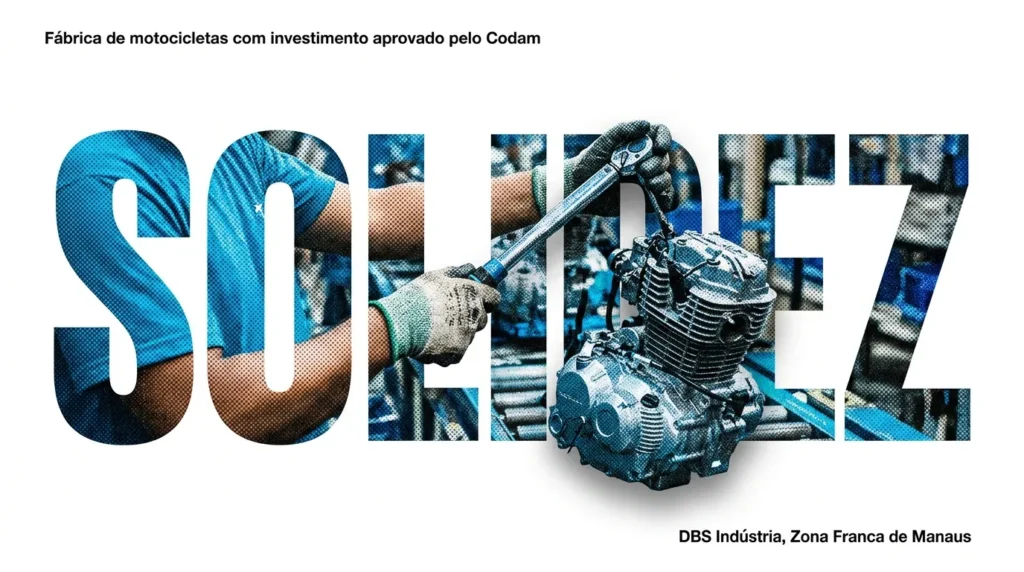
DBS is a motorcycle factory with Codam-approved investment, with new resources between R$500,000 and R$800,000 validated by the council. The details of this approval are in the article about the investments approved by Codam.
How does investment approval work in the Manaus Free Trade Zone?
Investment approval in Amazonas can go through Codam, the Amazonas Development Council, a state agency linked to Sedecti and responsible for the ICMS tax incentives granted to industrial projects in the region. The process reviews the plan submitted by the company and how well it matches the Manaus Industrial Hub’s rules.
Imagine an electric mobility brand evaluating two possible partners to produce in Brazil. One of them shows only an institutional website with generic promises of capacity; the other shows a history of formal, publicly documented approvals.
This second scenario completely changes the buyer’s risk analysis. A formal approval is an external record, not a one-sided statement from the company about itself.
This kind of verification adds to other public data, such as the company’s position in Manaus Industrial Hub rankings and its established time of operation in the region. Together, these records form a more reliable picture than just the supplier’s sales pitch.
That’s why this kind of information often shows up in due diligence checklists used by brands before closing an industrial partnership. It works as a verification point outside the direct control of the supplier being evaluated.
To understand the full operating model behind these approvals, it’s worth checking how DBS’s integrated operation works.
Why does trusting a motorcycle factory with Codam-approved investment reduce risk?
Trusting a motorcycle factory with Codam-approved investment reduces risk because the approval depends on an external agency, not just the supplier’s word. This kind of validation lowers the chance of a brand discovering, once already in production, that the promised structure never really existed.
The most common risk in this kind of decision is choosing a partner that promises capacity and structure it doesn’t yet have.
This is exactly the point that separates a shortcut with no foundation from an operation built with consistency over time. A motorcycle factory with Codam-approved investment carries this track record in a verifiable way.
DBS has operated since 2019 in the Manaus Industrial Hub, with installed capacity of up to 80,000 units per year and ISO 9001 certification. The Codam-approved investment adds to this track record, rather than replacing it.
Without this kind of external validation, the brand depends only on the supplier’s word to assess whether the promised capacity is real. This increases exposure to delays and supply disruptions partway through the process.
For the executive evaluating a motorcycle factory with Codam-approved investment, this body of evidence reduces reliance on sales presentations alone. The decision becomes grounded in verifiable data, rather than just promises of structure.
What other signs show the solidity of an industrial partner?
Besides investment approval, a few signs help confirm whether an industrial partner has real structure to support a brand’s production in Brazil. These signs work best when analyzed together, not in isolation.
- Established, uninterrupted track record of operation in the sector.
- Auditable quality certification, such as ISO 9001, with traceability mechanisms.
- Position in public Manaus Industrial Hub rankings, which indicate operating volume.
- History of physical expansion, such as opening new production plants.
- Diversity of brands served simultaneously by the same structure.
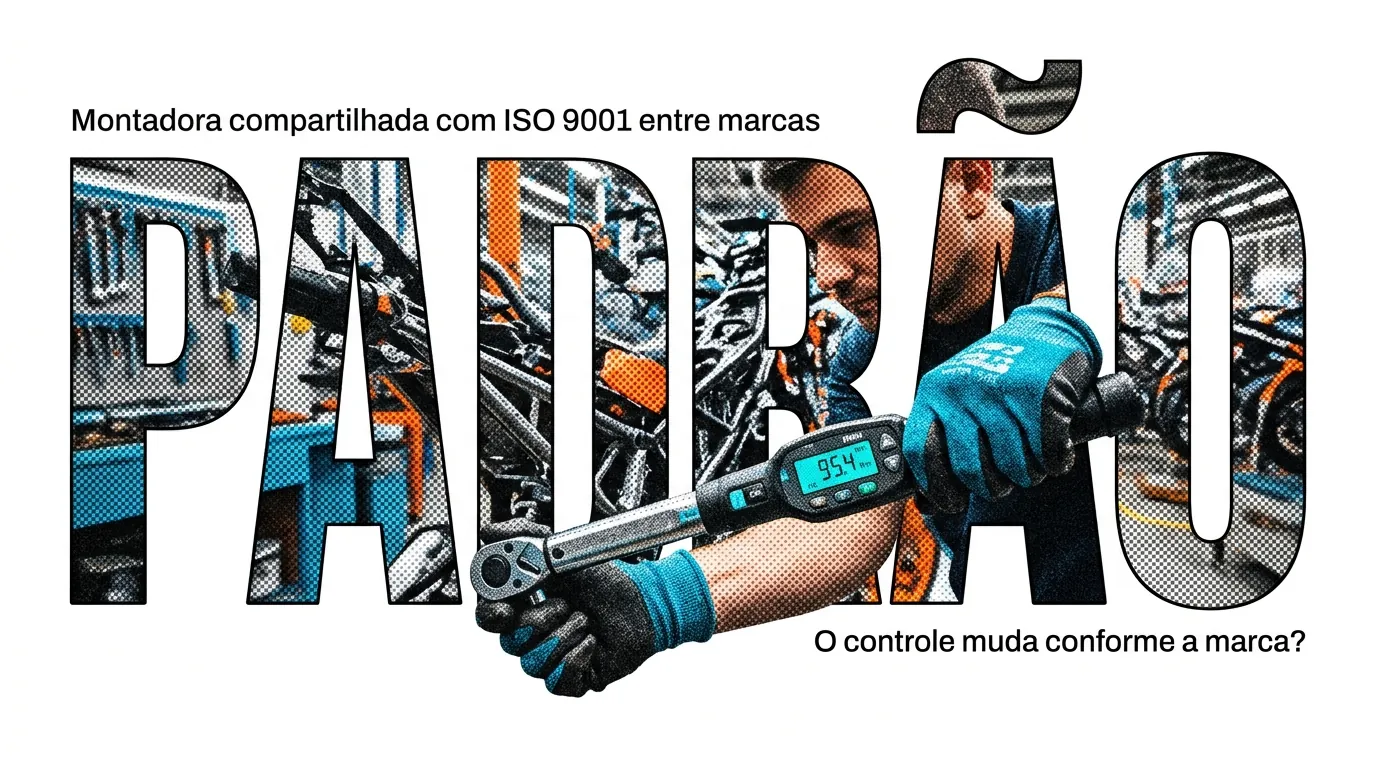
DBS brings these signs together. There are more than 20 years of operation in the two-wheeler sector, ISO 9001 certification with torque traceability and static and dynamic inspection, plus more than 12 brands currently producing at the factory.
None of these elements alone is enough to evaluate a partner. Looking at just one of these points in isolation can give an incomplete picture of the chosen partner, which is why it’s best to cross-check several signs before closing any production contract.
The strength lies in the combination between them, because each sign covers a different risk gap: financial, regulatory, technical, and commercial.
What actually changes when you sign with a motorcycle factory with Codam-approved investment?
In practice, signing with a motorcycle factory with Codam-approved investment changes how the brand plans its entry into Brazil. Risk assessment becomes grounded in external evidence, rather than just the supplier’s own projections.
This directly affects capacity planning. A proven expanding structure suggests a lower chance of a production bottleneck in the medium term, something relevant for brands planning to scale volume over time. This kind of planning also makes future volume negotiations with the industrial partner easier.
Instead of relying only on occasional visits or sales presentations, the supply chain team can use public investment records as a formal part of the process for evaluating a motorcycle factory with Codam-approved investment.
Brands that choose a motorcycle factory with Codam-approved investment tend to see fewer negative surprises during the production ramp-up phase. The practical result is a more predictable schedule from the start of the project.
For the Manaus Industrial Hub as a whole, this kind of movement also reflects growth. The hub reached R$58.2 billion in the first quarter, with DBS climbing from 16th to 11th place nationally, as detailed in the article about the Manaus Industrial Hub.
DBS: Proven solidity for brands that want to produce in Brazil
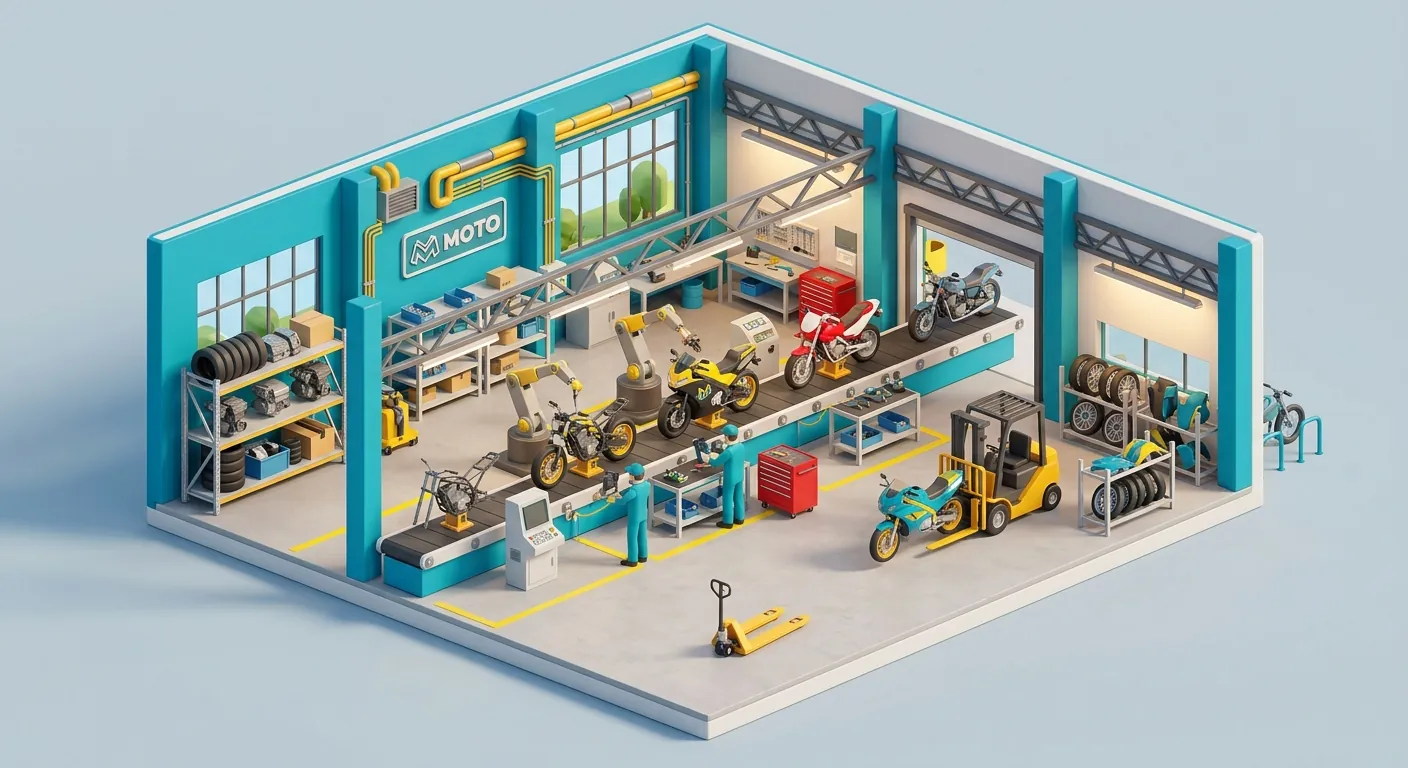
Does your brand need an industrial partner whose solidity can be verified, not just promised? DBS integrates engineering, supply, COMEX, manufacturing, quality, and logistics into an ISO 9001-certified operation, with installed capacity of up to 80,000 units per year. The structure serves electric and combustion mobility brands within the same facilities.
Codam’s approval is part of an ongoing growth trajectory, which includes becoming Brazil’s largest electric motorcycle manufacturer in 2024, according to FENABRAVE, and opening a second plant in Manaus in 2026.
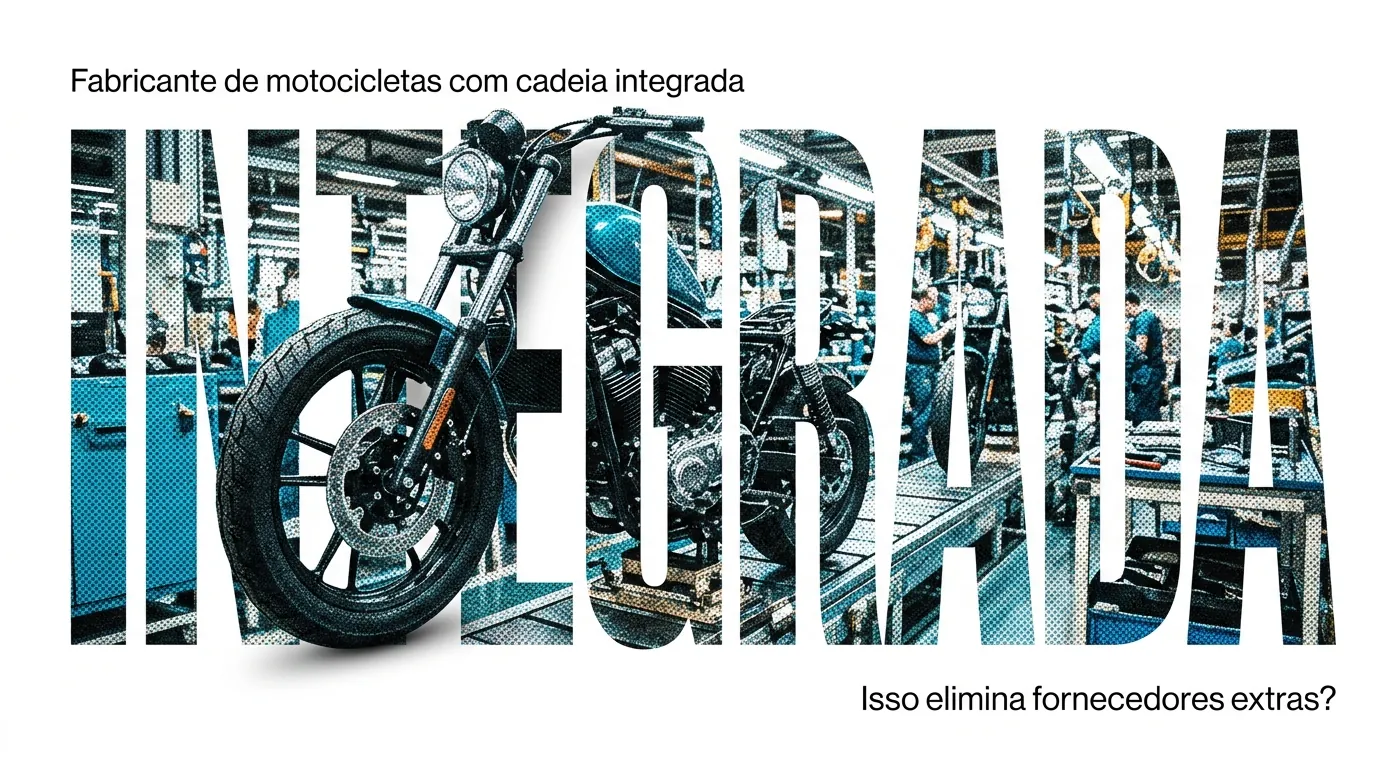
The operation covers engineering, supply, COMEX, manufacturing, quality, and logistics in a single coordinated flow, reducing the need for the brand to manage separate suppliers for each step. This integration is part of what sustains the expansion capacity recognized by Codam.
More than 12 brands already produce in Brazil using DBS’s structure, keeping their own identity in every final product. Each brand keeps full control over the positioning of its final product.
Talk now with DBS’s commercial team on WhatsApp and assess whether the operation fits your expansion project. The difference between DBS and an ordinary supplier lies in the traceability of every step, from engineering to delivery of the finished product.